
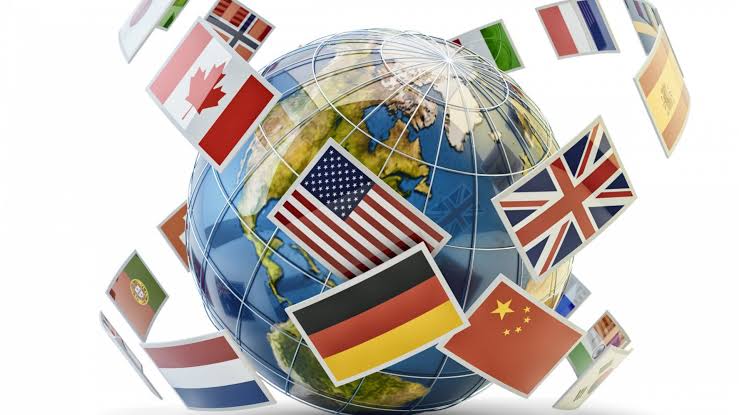
International business involves cross-border transactions of goods and services between two or more countries. It is characterized by the transfer of economic resources including, capital, products, skills and personnel for the purpose of the international production and consumption of material goods and services ranging from tangible products, finance, banking, insurance, construction services among others. To better familiarize with the dynamics of the global economic market and environment, it is vital to understand the four stages representing the status of any economic/business entity; peak ,contraction, recession and expansion. This recurring fluctuation in the typical lifecycle of businesses and economies is affected by the following factors:
Economic factors
Because of the unavoidable variations in universal factors, every country experiences different economic growth rate. This means that the global economic growth is as diverse as it can get; a factor that posses threat to anyone/entity engaged or seeking to venture in the international business. Since prosperity among the global nations is often uneven, economies that are backwards or stagnant, do not attract lucrative business investments in their markets. On the other hand, the emerging and developed economies always seem to have a higher demand for global goods and services; a factor that attracts huge numbers of economic/business investments. For investors seeking to conduct businesses internationally, understanding the implications resulting from such diverse and conflicting growths rates would be paramount especially in guiding investments decision-making
- Currency Exchange rates
Exchange rate refers to the relative value between two nation’s currencies. For instance, the current exchange rate from the Canadian dollar to the US dollar is around 0.77 as of July 2021.This means that one Canadian dollar is approximately equal to 77 cents in US currency. Because of the difference in economic growth discussed herein , the value of money automatically changes across international borders. This means that the currency of one country is unable to purchase the equivalent value of goods and services in another country. Such fluidity in monetary value will always be a challenge for anyone/ entity in, or wanting to venture into the global business. To avert such hindrances ,it’s paramount for international Business players to familiarize with currency exchange rates between their country, and those Countries they plan to conduct business in or with.
- Inflation

According to Harvard Business Review, It’s also important to monitor inflation rates, which reflects the general price levels in an economy, expressed as a percentage. “Inflation rates vary across countries and can impact materials and labor costs, as well as product pricing.” Catherine Cote( 2020, November; Global business )
Understanding and closely following these two rates( Exchange and inflation) can provide important insight and information about the value of your company’s product in various global locations over time. With such insight, business decisions seizes to be random, but deliberate.
Socio-cultural factors
Difference in language, cultural practices, time zones, and varying levels of technology access and reliance have a very huge influence over the performance of international business. This is because this differences shape the beliefs and world views of people, and hence determining their engagement in foreign businesses activities, work and even their purchasing power as consumers of goods and services. However, to build and maintain a strong working relationship with the global work-team and customers , businesses ought to adopt a diverse culture that encourages all stakeholders inclusion;
Political factors

Since International businesses are influenced by politics, policies, laws, and relationships between countries, it’s important for business leadership to be aware of the decisions made by political leaders in their respective nations since these authorities can impact taxes, labor laws, raw material costs, transportation infrastructure and educational systems among more.
Legal and ethical challenges
From tax implications through to trading laws, navigating legal requirements is a central mandate for any would be successful international business. Eligibility to trade is a significant consideration, as are potential tariffs and the legal costs associated with entering new markets. For example in 2014, Airbnb ran into trouble with a crackdown on advertised rental properties falling outside local housing and tourism regulations. Following this breach of local tourism law, the company was forced to pay a €30,000 fine. With such complexity involved in foreign trade and employment laws, investing in knowledgeable and experienced corporate counsel can prove invaluable. Beyond abiding by official laws, engaging in international business often requires following other unwritten cultural guidelines. This can prove challenging, especially in emerging markets with ill-defined regulations or corruption.
Conclusion
In order to navigate the challenges of international trade mentioned herein, there is need to be familiar with politics, customs, economy, ethics and the legal barriers characterizing the global markets.
References
- International business Issues;
10 Amazing Ways to Tackle International Business Issues
- International business challenges;
- Major trends; International business;
https://smallbusiness.chron.com/major-trends-international-business-60529.html
.

 TimingNowKE