
In many parts of the world, particularly in those with subtropical and tropical climates, the lion’s ear plant has become naturalized.
On unused areas and alongside roadways, specimens up to 3 meters tall are already commonplace. lion’s ear
Historically, a strong infusion (tea) made from the twigs, leaves, and flowers was used as medication for everything from insect bites and stings to long-term diseases like dermatitis and leprosy. lion’s ear
If you have dermatitis, sore muscles, or any other skin condition, consider adding twigs to your bathwater.
These paired, smooth, triangular leaves feature opposite pairs of leaves on each stem. The lion’s ear plant is a tall, annual, sparingly branching plant (square in cross area).
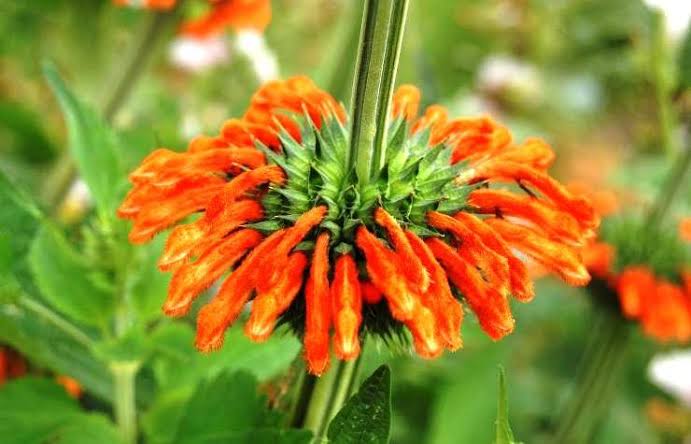
It has dense, angular clusters of lowers encircling the stems, creating the appearance that the stems are piercing the bunches.
On top of the earlier bloom clusters, new flower clusters appear as the stalks grow. lion’s ear
One inch in diameter and curved downward to resemble lion’s ears, the orange, hairy spheres generated by the barbed heads are produced by them.
Lion’s ear has been used as a remedy in traditional African medicine for several maladies, including fever, headache, diarrhea, and snakebites, since ancient times.
This problem first appears in the uterus. Depending on how much food someone consumes, their monthly cycle will either be stimulated or inhibited. lion’s ear
Coughs, asthma, and high temperatures are frequently treated with it in various cultures.
Coughs and colds can be treated by consuming a tea made from the blooms. It has been demonstrated that this tea can relieve the symptoms of epilepsy, bronchitis, headaches, hemorrhoids, jaundice, cardiac asthma, and hemorrhoids.
Due to the analgesic, anti-inflammatory, and hypoglycemic qualities of the teas and dyes derived from the leaves, there is pharmacological support for the use of this spice in the treatment or prevention of aches and pains, inflammation of the joints and other tissues, and type 2 diabetes in adults.
They are also used to treat cardiac problems such palpitations, tachycardia, and irregular heartbeats in addition to treating anxiety and stress. lion’s ear
See a certified herbalist at all times if you plan to utilize herbs for medicinal purposes. An individual’s outward appearance is influenced by their internal state of mind and spirit. You can get guidance on the best dosage for your situation from a knowledgeable individual. lion’s ear
Source:
http://www.richters.com/show.cgi?page=QandA/Medicinal/19980331-13.html

 TimingNowKE